Ground strategy and booth work
Voter rolls, booth committees, padyatras, and the arithmetic that settles a ward long before polling day.
A party that trains politicians
We teach ordinary Indians how a candidate is actually built, then put a party behind them.
Ask anyone how a person actually reaches a ballot paper and the answer is a shrug. There is no syllabus for it, no mentor, no fee structure, no timeline. So the only people who learn it are the people born next to it.
We wrote the map down. It is now a course, and it is open to anybody willing to do the work.
Eight commitments. Each one resolves to a number somebody outside this party can check.
Recruitment advertised with dates, exams held on schedule, results published on time. A generation has lost years to postponed appointments.
A free legal aid clinic in every district, and the laws people actually meet explained in the language they actually speak.
Teacher vacancy counts for every government school published monthly, by school, with the date the post fell empty.
Staffing and medicine stock for every primary health centre posted publicly each month rather than filed and forgotten.
Every procurement receipted and traceable, with the payment deadline written into the contract and the delay counted publicly.
Fast track courts filled to sanctioned strength, with pendency and conviction figures released district by district.
Local readings tied to a named officer and a published remedy, so pollution stops being weather and starts being accountability.
Every rupee our candidates receive is published with the donor named. We would rather raise less and answer for all of it.
Voter rolls, booth committees, padyatras, and the arithmetic that settles a ward long before polling day.
Content, ads, rapid response, and a social media unit built for you rather than rented for a season.
Stage craft, press handling, and holding a hostile panel without losing the argument.
Taught by a practising advocate. Rights, remedies, RTI, and reading a bare Act without a lawyer at your elbow.
Forms, deposits, polling agents, the model code, and what happens inside the counting hall.
Where campaign money may come from, how it is recorded, and filing an expenditure return on time.
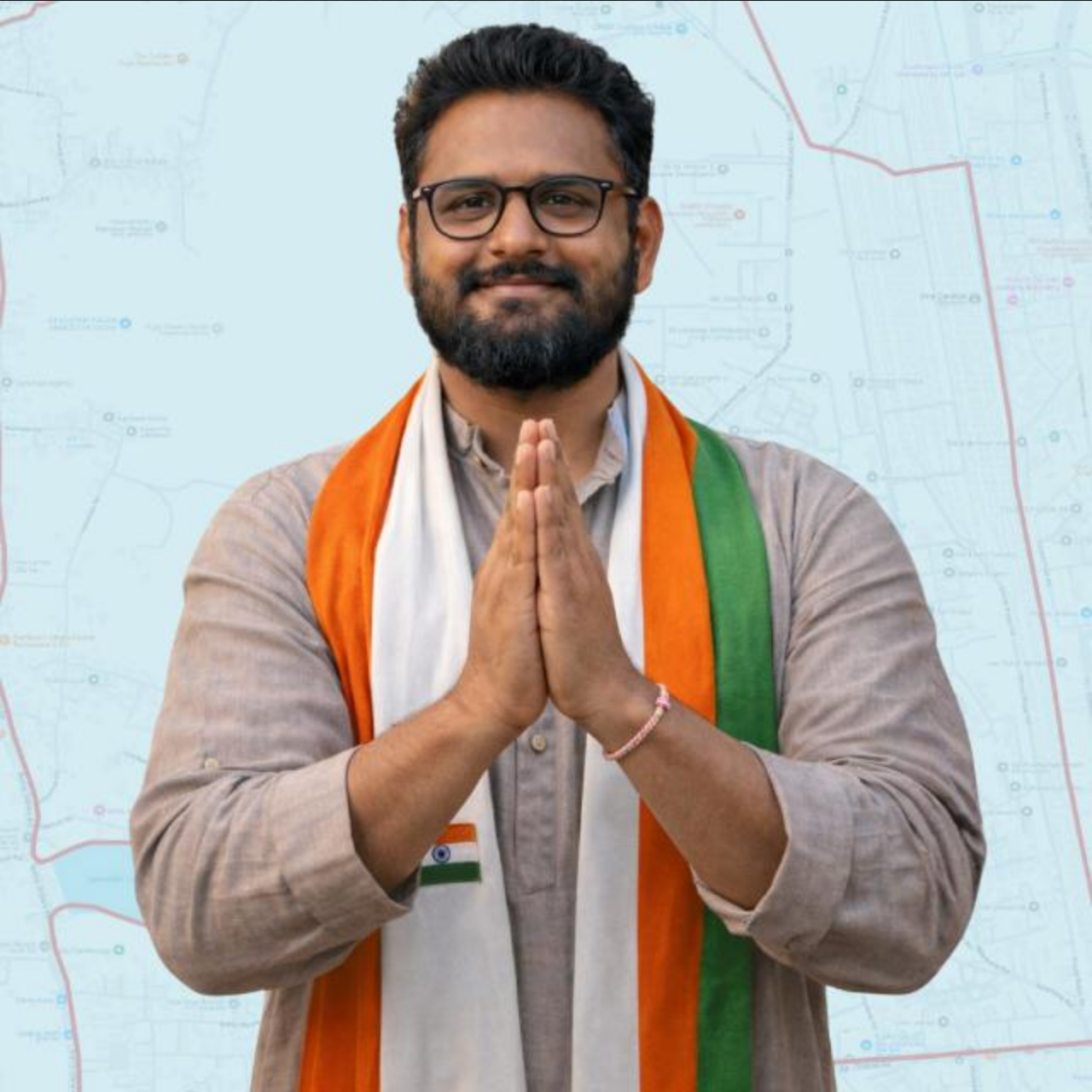
Rajat Singh. Advocate, teacher, founder.
Rajat has spent over a decade in a classroom and taught more than fifteen thousand students. He practises as an advocate and takes up matters for people who would otherwise never reach a courtroom.
He built LAWL, a legal technology platform made to put legal help within reach of people who cannot afford a retainer. This party is the same instinct pointed at politics. Take something that looks sealed shut, and teach people how it opens.
Your name, your district, and the one thing you would fix first. No fee, no reference, no introduction required.
A conversation with the state team about your record, your intent, and the constituency you know best.
The full course. Ground work, digital, law, and speech, closing with a live campaign simulation.
A team, a constituency to work, and the party behind you on the day you stand.
Registered under Section 29A of the Representation of the People Act, 1951. Registration particulars are published in full rather than summarised.
Registration detailsAs a newly registered party we contest on a symbol drawn from the Election Commission free symbols list, allotted election by election.
See the symbolOur constitution, including the declaration of allegiance to the Constitution of India, to socialism, secularism and democracy, is published in full.
Read the constitutionNo. The course assumes you are starting from zero. Experience is welcome, it is simply not required.
Applying costs nothing. Any programme cost is stated in writing before you commit, with nothing hidden behind a later stage.
No. Many people train to run a campaign, lead a digital team, or organise a district. Contesting is one path out of six.
Eighteen, the same threshold as party membership across India. There is no upper limit.
Say so in your application. We will tell you plainly what is possible before you spend time on it.
State teams are being built in stages. Apply with your district and you will hear where the nearest unit stands.
Tell us where you are and what you would fix. Every application is read by a member of the state team.